

Changes in sexual function can be easy to dismiss as something you simply have to accept with age. A lower sex drive, vaginal dryness, reduced arousal, erectile changes, or feeling less connected to your body may seem like isolated concerns. But when those changes appear alongside fatigue, poor sleep, mood shifts, weight changes, or brain fog, hormones may deserve a closer look.
Hormone Replacement Therapy can help appropriate patients address symptoms linked to declining hormone levels by restoring specific hormones under medical supervision. The goal isn’t to make every symptom disappear overnight. It’s to identify whether hormones are contributing to how you feel and create a plan based on your symptoms, labs, and health history.
If your body has felt noticeably different lately, continue reading. Some of the changes you’ve been blaming on aging may be worth discussing more seriously.
What Is Hormone Replacement Therapy?
Hormone Replacement Therapy, or HRT, is a medically supervised treatment that replenishes hormones that have declined or become imbalanced. The most commonly discussed hormones include estrogen, progesterone, and testosterone, although treatment may involve other options when clinically appropriate.
Hormones influence far more than reproductive health. When levels change, patients may notice effects involving sleep, cognition, sexual function, mood, energy, and body composition. The goal of treatment is to restore appropriate hormone levels while taking the patient’s individual health profile into account. At Essential Injectables, HRT plans are individualized based on laboratory findings, symptoms, and health history.
So, what is hormone replacement therapy in practical terms? It’s a personalized medical approach to restoring hormone levels when symptoms, laboratory findings, and overall health suggest that treatment may be appropriate.
Signs Your Hormones May Be Asking for Attention
Hormonal changes can show up in ways that seem unrelated at first. The following signs don’t automatically mean you need HRT, but they can be reasons to discuss hormone testing and medical evaluation.
1. Your Sex Drive Has Changed Noticeably
A significant change in libido is one of the more personal hormone imbalance symptoms, and it’s also one that many patients hesitate to mention.
Hormones such as estrogen and testosterone influence sexual desire, arousal, genital tissue health, and overall sexual well-being. When those levels shift, sex may feel less appealing, less comfortable, or simply different from how it used to.
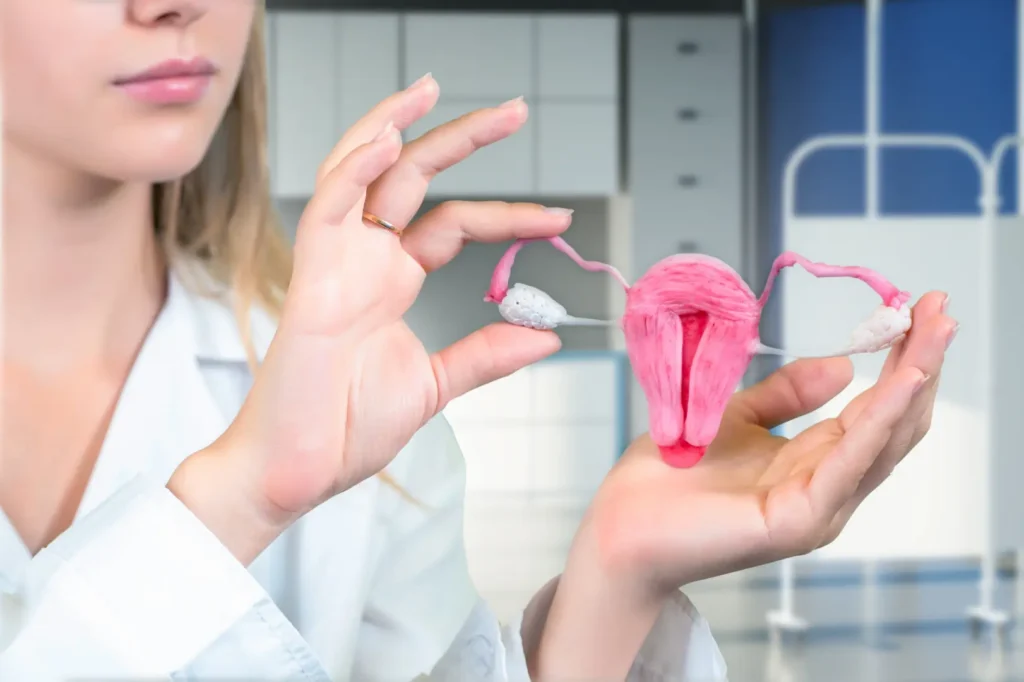
For women in perimenopause or menopause, declining estrogen can also contribute to vaginal dryness and discomfort during intercourse. Testosterone changes may influence desire in both women and men.
HRT isn’t appropriate solely because someone wants a higher libido, and sexual function can also be affected by stress, medications, relationships, sleep, and other medical conditions. However, when a lower sex drive appears alongside other hormonal symptoms, it deserves a place in the conversation.
2. Fatigue Has Become Your New Normal
Everyone has tired days. Hormone-related fatigue tends to feel more persistent. You may be sleeping but not waking refreshed. Your afternoon energy may disappear earlier than it once did, or activities that used to feel manageable may suddenly feel more draining.
Estrogen, progesterone, thyroid function, testosterone, sleep quality, and several other factors can influence energy. That means fatigue should never automatically be blamed on hormones. Still, persistent tiredness is one of the common reasons patients begin asking about the signs you need hormone replacement therapy.
If fatigue is accompanied by reduced motivation, poor sleep, body composition changes, or sexual symptoms, medical evaluation can help determine whether hormone decline is part of the picture.
3. Sleep Has Become Unpredictable
Sleep disturbance can be one of the most disruptive parts of hormonal change. Some women fall asleep normally but wake repeatedly during the night. Others experience hot flashes or night sweats that interrupt deeper sleep. Changes in progesterone and estrogen may contribute during perimenopause and menopause.
Men with androgen decline may also report poor sleep, although sleep apnea, stress, medications, and lifestyle factors should be considered.
The frustrating part is that sleep loss can magnify nearly every other symptom. Fatigue worsens. Mood becomes less stable. Hunger cues may change, and concentration becomes harder. This is why HRT evaluation looks at the broader pattern instead of treating one symptom in isolation.
4. Brain Fog Is Getting Harder to Ignore
Walking into a room and forgetting why you went there happens to everyone. But when concentration problems become frequent, some patients begin describing it as “brain fog.” You may have trouble finding words, staying focused, remembering small details, or moving through tasks as efficiently as you used to.
Hormonal transitions can affect cognition for some people, particularly around perimenopause and menopause. Poor sleep and chronic fatigue can make the problem even more noticeable. HRT isn’t a guaranteed cognitive enhancer, but cognitive changes are among the symptoms that may be discussed during an evaluation for HRT for menopause.
The goal is to determine whether brain fog is occurring alongside other hormonal changes and rule out other possible contributors.
5. Your Mood Feels Different
Hormones interact with brain chemistry, which means hormonal changes can sometimes influence mood. Patients may describe becoming more irritable, emotionally reactive, anxious, or simply less like themselves. Some notice that stress feels harder to manage even though their circumstances haven’t changed dramatically.
Mood symptoms deserve careful attention because anxiety and depression can have many causes. HRT should never be treated as a universal answer to every emotional change. However, when mood shifts emerge during a hormonal transition and appear alongside sleep disruption, hot flashes, sexual changes, or irregular periods, discussing HRT may make sense. A comprehensive plan should always consider mental health and medical factors together.
6. Your Body Composition Is Changing
One of the most common frustrations patients describe is, “I’m doing what I used to do, but my body is responding differently.” Hormonal changes can influence fat distribution, muscle mass, appetite, insulin sensitivity, and overall body composition.
Men may notice increasing abdominal fat or reduced muscle definition as testosterone declines. Women may notice weight redistribution around menopause. That doesn’t mean hormones are responsible for every pound gained.
Nutrition, activity, medications, sleep, stress, and metabolic health still matter. But hormonal changes can alter the context in which those factors operate. When body composition shifts occur alongside fatigue, low libido, or other symptoms, hormone evaluation may be worthwhile.
7. Hot Flashes and Night Sweats Are Disrupting Life
Hot flashes are among the better-known symptoms associated with menopause, but their impact can be underestimated. A sudden wave of heat may interfere with work, sleep, social situations, or exercise. Night sweats can leave patients waking repeatedly, which then contributes to daytime exhaustion.
For women who are appropriate candidates, HRT may be considered to address menopausal symptoms such as vasomotor changes. This is one reason hormone replacement therapy in Suwanee may appeal to women whose symptoms are affecting their quality of life rather than simply being mildly inconvenient.
The key is individual candidacy. Health history and risk factors need to be reviewed before treatment is prescribed.
8. Your Periods Have Become Less Predictable
Perimenopause can begin before periods stop completely. Cycles may become shorter, longer, heavier, lighter, or more irregular. Some women experience months of unpredictability before reaching menopause. These changes can occur alongside sleep problems, hot flashes, mood changes, vaginal dryness, and reduced libido.
Irregular cycles alone do not automatically mean HRT is needed. Other gynecologic or medical issues may also affect menstruation. However, when irregularity fits into a larger perimenopausal symptom pattern, it can be another reason to discuss hormone evaluation and whether treatment could help.
9. Vaginal Dryness or Discomfort Is Affecting You
Declining estrogen can affect vaginal and vulvar tissue. Some women develop dryness, irritation, painful intercourse, or urinary symptoms. These changes can affect comfort, relationships, and confidence, yet patients sometimes hesitate to bring them up.
Different treatment approaches may be considered depending on the symptoms and medical history. Some patients may benefit from local estrogen therapy, while others may need broader hormonal management.
The right choice depends on whether symptoms are primarily localized or part of a wider menopausal pattern. This is a good example of why HRT should be personalized rather than approached as one standard prescription.
10. Men May Notice Symptoms of Androgen Decline
Hormone replacement isn’t only discussed in women’s health. Men experiencing declining testosterone may report lower libido, reduced energy, changes in muscle mass, increased body fat, mood changes, or sexual difficulties.
These symptoms can overlap with many other medical conditions, so proper evaluation is important. Testosterone therapy should not be started based on symptoms alone. Laboratory testing, medical history, and clinical assessment help determine whether androgen deficiency is actually present.
For appropriate patients, testosterone may be included in an HRT plan. Again, the goal isn’t to chase unusually high hormone levels. It’s to address clinically relevant deficiency under proper medical supervision.
Listen When Your Body Feels Different
Changes in libido, energy, sleep, cognition, body composition, and mood are easy to dismiss as inevitable parts of getting older. Sometimes they are simply part of normal life. Other times, they may be signs that hormone levels deserve closer evaluation.
At Essential Injectables in Suwanee, GA, patients can explore HRT through an individualized approach built around symptoms, laboratory findings, and health history. If several of these changes are happening at once, a medical conversation can help you understand whether hormones are actually part of the problem and whether HRT belongs in your plan.
Contact us today to schedule your appointment!